Embarking on the journey of Collaborating Physician Guide: How to Legally Partner in Telemedicine, the narrative unravels in a captivating and distinctive manner, enticing readers into a story that is both engaging and uniquely memorable.
The following paragraph delves into providing descriptive and clear information about the topic at hand.
Overview of Collaborating Physician Guide in Telemedicine

Having a collaborating physician in telemedicine is crucial for ensuring quality care delivery and compliance with legal requirements. This collaborative partnership allows healthcare providers to expand their services to patients in remote areas, improve access to care, and enhance patient outcomes through a multidisciplinary approach.
Importance of Collaborating Physician in Telemedicine
- Ensures compliance with state regulations: Many states require telemedicine providers to have a collaborating physician to oversee patient care and ensure adherence to medical standards.
- Enhances quality of care: Collaborating with a physician allows for consultations, second opinions, and guidance on complex cases, ultimately leading to better patient outcomes.
- Expands scope of practice: Working with a collaborating physician enables healthcare providers to offer a wider range of services and treat a more diverse patient population.
Legal Requirements and Benefits of Partnering with a Collaborating Physician
- Legal requirements: Some states mandate that telemedicine providers have a collaborating physician who is licensed in the state where the patient is located to ensure compliance with local regulations.
- Benefits of collaboration: Partnering with a physician can lead to improved care coordination, increased patient satisfaction, reduced medical errors, and enhanced professional development for healthcare providers.
- Risk management: Having a collaborating physician can help mitigate legal risks, improve documentation practices, and ensure that telemedicine services are delivered ethically and responsibly.
Examples of Enhancing Quality of Care through Collaboration
- Consultations for complex cases: Collaborating with a physician allows for specialized expertise to be brought into the care plan, leading to more accurate diagnoses and tailored treatment recommendations.
- Second opinions: Having a collaborating physician review cases can help validate treatment plans, reduce errors, and provide reassurance to both patients and providers.
- Continuity of care: By working closely with a collaborating physician, healthcare providers can ensure seamless transitions between in-person and telemedicine visits, improving overall care coordination.
Legal Considerations for Collaborating Physicians in Telemedicine
When collaborating with physicians in telemedicine, it is crucial to be aware of the key legal aspects to ensure compliance with state and federal laws. Understanding the legal framework can help mitigate risks and avoid potential liability issues in telemedicine partnerships.
Compliance with State and Federal Laws
- Ensure that all telemedicine activities comply with state licensing requirements for both the collaborating physician and the telemedicine provider.
- Adhere to federal regulations such as HIPAA to protect patient privacy and confidentiality during telemedicine consultations.
- Stay informed about any changes or updates in telemedicine laws and regulations to maintain compliance with legal standards.
Liability Issues and Risk Mitigation
- Establish clear guidelines and protocols for telemedicine consultations to minimize the risk of errors or miscommunications that could lead to liability issues.
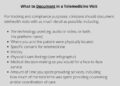
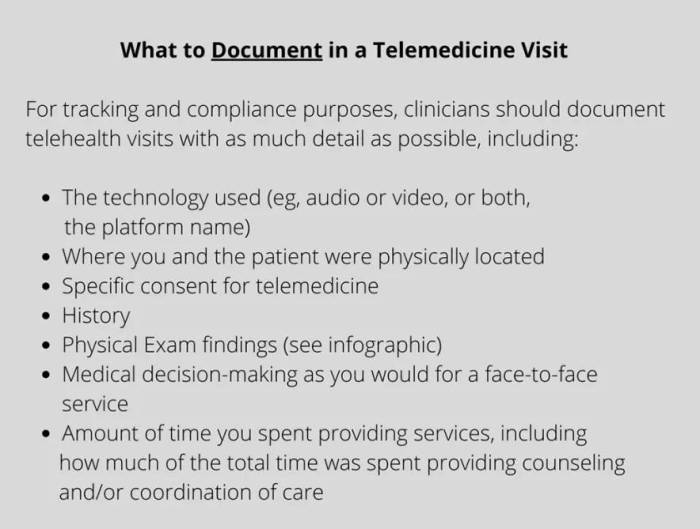
- Ensure proper documentation of telemedicine consultations and patient interactions to protect against potential legal claims or disputes.
- Consider obtaining professional liability insurance to cover any legal costs or claims that may arise from telemedicine collaborations.
Establishing a Collaborative Relationship with a Physician in Telemedicine
When looking to partner with a collaborating physician in telemedicine, there are several key steps to consider in order to ensure a successful and effective working relationship. It is essential to find the right physician who aligns with your practice goals and values, as well as meets the legal requirements for collaboration in telemedicine.
Finding and Connecting with a Collaborating Physician
- Research and identify potential collaborating physicians who specialize in your area of practice and are licensed to practice in the states where you provide telemedicine services.
- Reach out to potential collaborating physicians through professional networks, telemedicine platforms, or medical associations to establish initial contact.
- Discuss your practice model, expectations, and goals to ensure alignment with the collaborating physician's practice philosophy and preferences.
- Review and negotiate a collaboration agreement that Artikels the responsibilities, expectations, and legal requirements for both parties.
Communication Protocols and Tools
- Establish clear communication channels such as secure messaging platforms, video conferencing tools, and telemedicine software to facilitate real-time communication with the collaborating physician.
- Set up regular virtual meetings or check-ins to discuss patient cases, treatment plans, and any updates or changes in practice protocols.
- Ensure that all communication is HIPAA-compliant and secure to protect patient confidentiality and adhere to legal requirements.
Building Trust and Fostering Teamwork
- Develop a mutual understanding and respect for each other's expertise, experience, and roles within the collaborative relationship.
- Be open to feedback, suggestions, and constructive criticism from the collaborating physician to improve patient care and practice efficiency.
- Engage in regular team-building activities, training sessions, or workshops to enhance communication, collaboration, and teamwork skills.
Best Practices for Collaborating Physicians in Telemedicine
In order to ensure a successful integration into a telemedicine practice, collaborating physicians should follow certain best practices. Effective collaboration is key to improving patient outcomes and overall telemedicine practice efficiency.
Establish Clear Communication Protocols
- Define roles and responsibilities clearly to avoid confusion.
- Utilize secure communication platforms for sharing patient information.
- Establish regular check-ins to discuss cases and address any issues.
Adhere to Legal and Regulatory Guidelines
- Stay up-to-date on telemedicine laws and regulations in the state where the patient is located.
- Ensure compliance with HIPAA regulations for patient data privacy and security.
- Obtain proper licensing and credentials for practicing telemedicine in different states, if applicable.
Embrace Technology and Training
- Use telemedicine platforms effectively to provide seamless care to patients.
- Participate in training programs to enhance telemedicine skills and knowledge.
- Stay informed about new technologies and trends in telemedicine to improve practice efficiency.
Prioritize Patient-Centered Care
- Focus on building strong patient relationships through virtual consultations.
- Provide clear instructions for remote monitoring and follow-up care.
- Ensure that patients feel supported and engaged in their telemedicine experience.
Last Word
Concluding the discussion with a summary and concluding thoughts presented in an engaging manner.
FAQ Corner
What legal aspects should collaborating physicians be aware of in telemedicine partnerships?
Collaborating physicians need to be aware of key legal considerations such as state and federal laws, liability issues, and compliance requirements.
How can collaborating physicians ensure effective communication with telemedicine partners?
Effective communication can be ensured through establishing clear protocols, using appropriate tools, and fostering trust and teamwork.
What are the benefits of collaborating with a physician in telemedicine?
Collaborating with a physician can enhance the quality of care, improve patient outcomes, and increase overall practice efficiency.