Exploring the essential role of primary care physicians in family healthcare opens up a world of comprehensive and personalized medical care for individuals of all ages. From routine check-ups to chronic disease management, primary care physicians serve as the cornerstone of well-being for families, ensuring a holistic approach to health maintenance.
Delving deeper into the specifics, we uncover the qualifications, services, and relationships that define the bond between primary care physicians and their patients.
Importance of Primary Care Physicians in Family Healthcare
Primary care physicians play a crucial role in providing comprehensive healthcare for families. They serve as the first point of contact for individuals of all ages, offering a wide range of medical services to address various health needs.
Benefits of Having a Primary Care Physician
Having a primary care physician benefits family members in numerous ways. These healthcare professionals are well-equipped to provide personalized care and build long-term relationships with patients, leading to better health outcomes.
- Continuity of Care: Primary care physicians oversee the health of the entire family, ensuring consistency in treatment plans and medical management.
- Preventive Services: Primary care physicians offer preventive healthcare services such as vaccinations, screenings, and health education to promote overall well-being and detect any potential health issues early on.
- Comprehensive Care: Primary care physicians address a wide range of health concerns, from acute illnesses to chronic conditions, providing holistic care for every family member.
- Coordination of Care: Primary care physicians coordinate care between specialists, ensuring that all aspects of a patient's health are considered and managed effectively.
Preventive Healthcare Services
Primary care physicians play a crucial role in promoting family well-being through preventive healthcare services. These services focus on disease prevention, early detection, and health maintenance to prevent the development of serious health conditions.
- Wellness Exams: Regular check-ups and screenings help identify risk factors for diseases and provide an opportunity for early intervention.
- Immunizations: Primary care physicians administer vaccinations to protect family members from preventable diseases and promote community immunity.
- Health Education: Primary care physicians offer valuable information and resources to help families make informed decisions about their health and well-being.
- Lifestyle Counseling: Primary care physicians provide guidance on nutrition, exercise, stress management, and other lifestyle factors that impact overall health.
Qualifications and Training of Primary Care Physicians
Primary care physicians play a crucial role in providing comprehensive healthcare services to families. To become a primary care physician, individuals must undergo rigorous education and training to ensure they are equipped to address a wide range of healthcare needs.
Educational Path to Becoming a Primary Care Physician
Individuals aspiring to become primary care physicians typically complete the following educational path:
- Undergraduate Degree: Completion of a bachelor's degree in a science-related field or pre-medical studies.
- Medical School: Attainment of a Doctor of Medicine (MD) or Doctor of Osteopathic Medicine (DO) degree from an accredited medical school.
- Residency Training: Completion of a residency program in family medicine, internal medicine, or pediatrics to gain specialized training in primary care.
Qualifications and Certifications Needed
Primary care physicians must meet certain qualifications and obtain certifications to practice effectively:
- Board Certification: Obtaining board certification in family medicine, internal medicine, or pediatrics demonstrates expertise in primary care.
- Licensure: Securing a state medical license is essential to practice medicine legally in a specific state.
Ongoing Training and Continuing Education
Primary care physicians are required to engage in ongoing training and continuing education to stay current in their field:
- Continuing Medical Education (CME): Participating in CME activities to enhance knowledge and skills in primary care.
- Board Recertification: Periodically renewing board certification through examinations and educational requirements.
Specialization in Family Medicine
Primary care physicians specializing in family medicine are trained to address diverse healthcare needs of individuals and families:
- Comprehensive Care: Providing preventive care, chronic disease management, and acute illness treatment for patients of all ages.
- Long-Term Relationships: Building long-term relationships with patients to understand their unique healthcare needs and preferences.
Services Offered by Primary Care Physicians for Family Healthcare
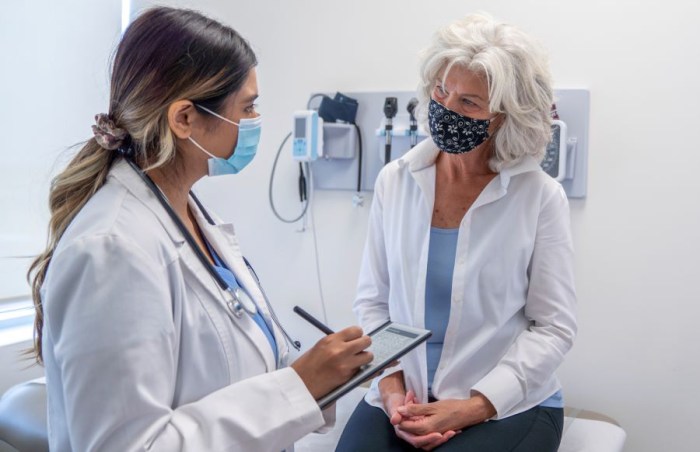
Primary care physicians play a crucial role in providing comprehensive healthcare services to individuals and families. They offer a wide range of medical services that are essential for maintaining the overall health and well-being of family members.
Importance of Routine Check-ups and Screenings
Routine check-ups and screenings are fundamental aspects of preventive healthcare. Primary care physicians conduct regular check-ups to monitor the health status of family members, identify potential health issues early on, and recommend appropriate screenings based on age, gender, and medical history.
- Regular check-ups help in detecting underlying health conditions before they progress into more serious problems.
- Screenings such as blood pressure monitoring, cholesterol testing, and cancer screenings are vital for early detection and intervention.
- Preventive care measures recommended during routine check-ups can help prevent the onset of chronic diseases and improve overall health outcomes.
Management of Chronic Conditions and Acute Illnesses
Primary care physicians are trained to manage a wide range of chronic conditions and acute illnesses within the family context. They provide ongoing care, treatment, and support to individuals dealing with chronic diseases such as diabetes, hypertension, asthma, and heart disease.
- Primary care physicians develop personalized treatment plans for managing chronic conditions, including medication management, lifestyle modifications, and regular monitoring.
- In cases of acute illnesses, primary care physicians offer timely diagnosis, treatment, and follow-up care to ensure a speedy recovery.
- They coordinate with specialists and other healthcare providers to ensure comprehensive and coordinated care for family members with complex medical needs.
Counseling and Mental Health Support
In addition to physical health, primary care physicians also play a crucial role in addressing the mental health needs of family members. They offer counseling, support, and referrals to mental health professionals when needed, helping individuals cope with stress, anxiety, depression, and other mental health issues.
- Primary care physicians provide a safe and confidential space for discussing mental health concerns and seeking appropriate treatment.
- They offer behavioral health interventions, lifestyle recommendations, and medication management for mental health conditions.
- By integrating mental health services into primary care, physicians can address both the physical and emotional well-being of individuals and families.
Building a Relationship with Your Primary Care Physician

Establishing a strong relationship with your primary care physician is crucial for your family's healthcare needs. It goes beyond just medical expertise and involves trust, open communication, continuity of care, and collaboration.
Selecting the Right Primary Care Physician
- Consider the physician's qualifications, experience, and expertise in family medicine.
- Look for a physician who listens attentively, respects your concerns, and involves you in decision-making.
- Check reviews and recommendations from other patients to gauge the physician's reputation.
Establishing Trust and Open Communication
- Be open and honest about your medical history, symptoms, and lifestyle habits with your physician.
- Ask questions and seek clarification on any doubts or concerns you may have regarding your health.
- Communicate your health goals and preferences to ensure personalized care.
Significance of Continuity of Care
Continuity of care with the same primary care physician enables better management of chronic conditions, early detection of health issues, and personalized treatment plans tailored to your family's needs.
Collaboration for Better Health Outcomes
- Work together with your primary care physician to create a comprehensive healthcare plan for your family.
- Follow the advice and recommendations provided by your physician to achieve and maintain optimal health.
- Engage in shared decision-making and take an active role in your family's healthcare journey.
Last Point
In conclusion, the discussion surrounding primary care physicians for family healthcare underscores the importance of proactive and continuous medical support for families. By fostering strong relationships with primary care providers, individuals can navigate their health journey with confidence and trust, leading to improved health outcomes and overall well-being.
FAQ Explained
What qualifications are needed to become a primary care physician?
To become a primary care physician, one must complete medical school, followed by a residency program in family medicine, internal medicine, or pediatrics. Board certification is also required in their chosen specialty.
How do primary care physicians coordinate care for the entire family unit?
Primary care physicians often act as the central point of contact for all healthcare needs within a family. They collaborate with specialists, manage chronic conditions, and ensure that each family member receives personalized care.
What services do primary care physicians offer for family healthcare?
Primary care physicians provide a wide range of services, including preventive care, chronic disease management, acute illness treatment, mental health support, and counseling. They also perform routine screenings and check-ups to maintain overall family well-being.
How can individuals establish trust and open communication with their primary care physician?
Building a strong relationship with your primary care physician involves clear communication, active participation in your healthcare decisions, and mutual respect. It's important to express your concerns and goals openly to ensure personalized care.
Why is continuity of care essential in the relationship with a primary care physician?
Continuity of care ensures that your primary care physician has a comprehensive understanding of your medical history, preferences, and ongoing health needs. This leads to more effective treatment plans and better health outcomes in the long run.