As the world embraces digital transformation, primary care physician online consultations have become increasingly popular. This article delves into the realm of virtual healthcare services, shedding light on the benefits and process of consulting with a primary care physician online.
Overview of Primary Care Physician Online Consultations
Online consultations with primary care physicians involve patients seeking medical advice and treatment remotely through digital platforms. Technology has played a crucial role in enabling virtual healthcare services, allowing patients to connect with healthcare providers from the comfort of their homes.
This innovative approach has transformed the way healthcare is delivered, offering convenience and accessibility to patients who may have difficulty accessing traditional in-person care.
Benefits of Primary Care Physician Online Consultations
- Convenience: Online consultations eliminate the need for travel and waiting rooms, making it easier for patients to seek medical advice without disrupting their daily routines.
- Accessibility: Virtual healthcare services break down geographical barriers, allowing individuals in remote or underserved areas to connect with primary care physicians.
- Time-saving: Online consultations often have shorter wait times, enabling patients to receive timely medical attention and prescriptions without delays.
- Cost-effective: Virtual consultations can be more affordable than in-person visits, reducing expenses related to transportation and childcare.
- Continuity of care: Online consultations facilitate regular communication between patients and primary care physicians, promoting ongoing healthcare management and follow-up.
Importance of Primary Care Physicians in Virtual Healthcare
Primary care physicians play a crucial role in virtual healthcare by providing accessible and comprehensive medical consultations to patients remotely. Their expertise in managing a wide range of health issues makes them essential in delivering quality care through online platforms.
Role of Primary Care Physicians in Online Consultations
Primary care physicians act as the first point of contact for patients seeking medical advice and treatment in virtual healthcare settings. They assess symptoms, provide diagnoses, prescribe medications, and offer recommendations for further management. Their ability to establish a trusted patient-provider relationship virtually is vital in ensuring continuity of care.
Significance of Continuity of Care in Virtual Healthcare
Continuity of care is crucial in virtual healthcare as it allows primary care physicians to monitor patients' health status over time, track their progress, and adjust treatment plans accordingly. This ongoing relationship promotes better health outcomes and patient satisfaction, leading to improved overall well-being.
Comparison of Traditional In-Person Visits vs. Online Consultations
In traditional in-person visits, patients may face barriers such as long wait times, travel expenses, and limited appointment availability. On the other hand, online consultations offer convenience, flexibility, and immediate access to care without the need to leave home. While in-person visits allow for physical examinations, online consultations enable quick and efficient communication between patients and primary care physicians, making healthcare more accessible to a wider population.
Process of Scheduling and Conducting Online Consultations
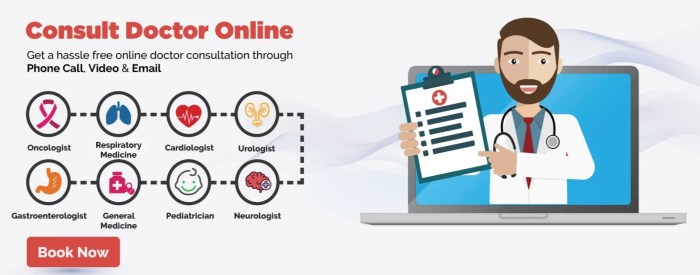
In today's digital age, scheduling and conducting online consultations with primary care physicians have become increasingly popular due to their convenience and accessibility. Patients can easily connect with their healthcare providers from the comfort of their own homes, saving time and avoiding unnecessary travel.
Scheduling an Online Consultation
- Patients can typically schedule an online consultation through the healthcare provider's website or patient portal. They may need to create an account and provide necessary personal information.
- Once logged in, patients can view the available time slots for appointments and select a convenient time for their online consultation.
- Patients may also have the option to request a specific primary care physician if they have a preferred healthcare provider.
Technology Requirements
- For a successful virtual appointment, patients will need a stable internet connection and a device with a camera and microphone, such as a smartphone, tablet, or computer.
- Patients should ensure that their device meets the minimum technical requirements specified by the healthcare provider for online consultations.
- It is recommended to download any necessary telehealth software or applications in advance and test the audio and video settings to ensure a smooth virtual appointment.
Privacy and Security
- Healthcare providers must adhere to strict privacy regulations, such as HIPAA, to protect patient information during online consultations.
- All communication between patients and primary care physicians should be encrypted to ensure the confidentiality of medical records and personal data.
- Patients can verify the security measures in place by checking for secure connections (https://) and confirming the identity of the healthcare provider before sharing any sensitive information.
Patient Experience and Satisfaction with Online Consultations

Online consultations with primary care physicians have been positively impacting patient experience and satisfaction. Patients who have utilized virtual consultations have shared their testimonials, highlighting the convenience and accessibility it provides.
Improved Access to Healthcare
- Online consultations eliminate the need for travel, saving time and money for patients.
- Patients in rural or remote areas can now easily connect with primary care physicians without the barrier of distance.
- Individuals with mobility issues or disabilities find online consultations more convenient and comfortable.
Common Patient Concerns
- Privacy and security: Patients may worry about the confidentiality of their medical information during online consultations. However, platforms use encrypted technology to ensure data protection.
- Quality of care: Some patients may question the effectiveness of virtual visits compared to in-person appointments. Studies have shown that online consultations can be just as effective for many common health issues.
- Technical difficulties: Concerns about internet connectivity or difficulty using the technology may deter some patients from trying online consultations. However, most platforms offer user-friendly interfaces and support for troubleshooting.
Closing Notes
In conclusion, primary care physician online consultations offer a convenient and efficient way to access healthcare. By bridging the gap between patients and doctors through technology, virtual consultations pave the way for a new era of medical care.
Question Bank
How can I schedule an online consultation with a primary care physician?
To schedule an online consultation, you typically need to create an account on the healthcare platform or app, choose a suitable time slot, and follow the prompts to confirm your appointment.
What technology do I need for a successful virtual appointment?
For a successful virtual appointment, you'll need a device with a camera and microphone, a stable internet connection, and the necessary software or app recommended by your healthcare provider.
Do online consultations really improve access to healthcare for patients?
Yes, online consultations provide easier access to healthcare by eliminating the need for travel and reducing wait times, making medical advice more accessible to a wider population.
Are my privacy and patient information secure during online consultations?
Healthcare platforms and providers adhere to strict privacy regulations to ensure the security of patient information during online consultations. Your data is encrypted and protected to maintain confidentiality.