Embark on a journey exploring the realm of eco-friendly roofing and siding materials, where sustainability meets style and functionality. From reducing carbon footprint to enhancing energy efficiency, the possibilities are endless in creating a greener tomorrow.
Delve deeper into the world of sustainable construction as we uncover the benefits, types, and installation practices of these environmentally conscious materials.
Benefits of Eco-Friendly Roofing Materials
Using eco-friendly roofing materials offers numerous environmental advantages. These materials are typically made from sustainable resources, recycled materials, or are designed to be easily recyclable at the end of their lifespan. By choosing eco-friendly roofing options, homeowners can significantly reduce the amount of waste produced and decrease their impact on the environment.
Sustainable Roofing Options
- Solar Panels: Solar roofing panels harness the power of the sun to generate electricity, reducing the reliance on traditional energy sources and lowering carbon emissions.
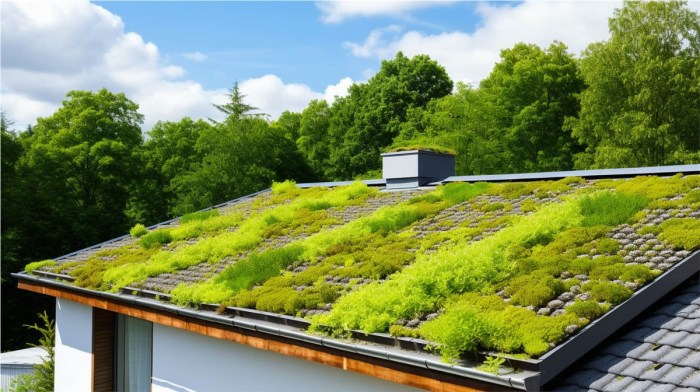
- Green Roofs: Green roofs are covered with vegetation, providing insulation, absorbing rainwater, and reducing the urban heat island effect.
- Recycled Shingles: Shingles made from recycled materials help reduce the amount of waste sent to landfills and conserve natural resources.
Improving Energy Efficiency and Reducing Carbon Footprint
- Eco-friendly roofing materials often have higher insulation properties, helping to regulate indoor temperatures and reduce the need for heating and cooling systems.
- By using sustainable roofing options like solar panels, homeowners can generate clean energy on-site, reducing their reliance on fossil fuels and cutting down on greenhouse gas emissions.
- Overall, eco-friendly roofing can lead to lower energy bills, a smaller carbon footprint, and a healthier environment for both homeowners and the planet.
Types of Eco-Friendly Roofing Materials
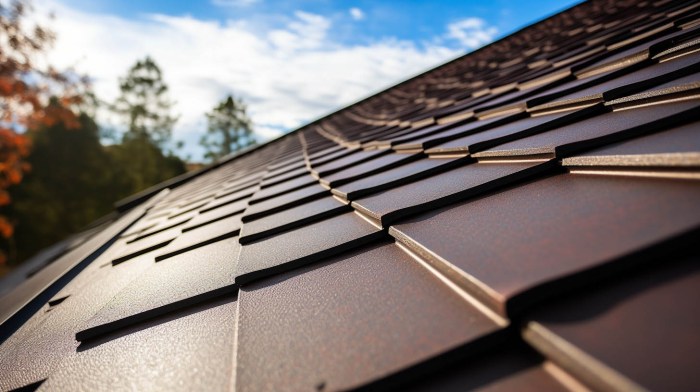
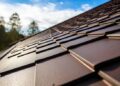
When it comes to eco-friendly roofing materials, there are several options available that not only help reduce environmental impact but also offer various benefits in terms of durability, cost-effectiveness, and design flexibility.Recycled Shingles:Recycled shingles are made from recycled materials such as plastic, rubber, or wood fibers.
These materials are diverted from landfills, making them an environmentally friendly option. Recycled shingles are durable, cost-effective, and come in a variety of colors and styles, providing design flexibility for homeowners.Metal Roofs:Metal roofs are another popular choice for eco-friendly roofing.
They are highly durable, lasting up to 50 years or more, and are recyclable at the end of their lifespan. Metal roofs are energy-efficient, reflecting sunlight to reduce cooling costs, and are available in a wide range of colors and styles to suit different architectural designs.Cool Roofs:Cool roofs are designed to reflect sunlight and absorb less heat, reducing the need for air conditioning and lowering energy costs.
They are typically made from materials that have high solar reflectance and thermal emittance properties. Cool roofs can be made from various materials such as reflective coatings, tiles, or shingles, offering both environmental benefits and energy savings for homeowners.Each of these eco-friendly roofing materials has its own unique advantages, and choosing the right option will depend on factors such as climate, budget, and design preferences.
By opting for sustainable roofing materials, homeowners can not only reduce their carbon footprint but also enjoy long-term benefits in terms of durability, energy efficiency, and aesthetic appeal.
Eco-Friendly Siding Materials
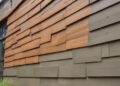
When it comes to eco-friendly siding materials, choosing sustainable options can significantly reduce your carbon footprint and promote a healthier environment for all. These materials are not only environmentally friendly but also offer a range of benefits for your home.Reclaimed wood, fiber cement, and recycled plastic are some of the popular choices for sustainable siding materials.
Reclaimed wood provides a rustic and unique look to your home while reducing the demand for new timber. Fiber cement siding is durable, low maintenance, and resistant to fire, insects, and rot
Insulation Properties and Energy Efficiency
Using eco-friendly siding materials can improve the insulation of your home, leading to better energy efficiency. These materials are designed to regulate temperature fluctuations, keeping your home cooler in the summer and warmer in the winter. By reducing the need for excessive heating or cooling, you can lower your energy consumption and utility bills.
Contribution to a Healthier Indoor Environment
In addition to their energy-saving benefits, eco-friendly siding materials can also contribute to a healthier indoor environment. These materials are free from harmful chemicals and toxins commonly found in traditional siding options, reducing the risk of indoor air pollution. By choosing sustainable siding materials, you can create a safer and more comfortable living space for you and your family.
Installation and Maintenance of Eco-Friendly Roofing and Siding
Proper installation and maintenance practices are crucial for maximizing the benefits of eco-friendly roofing and siding materials. By following guidelines and tips, you can ensure the longevity and performance of sustainable roofing and siding, ultimately contributing to a more eco-conscious lifestyle.
Installation Guidelines
- Choose a reputable contractor with experience in installing eco-friendly materials to ensure proper installation.
- Follow manufacturer's instructions carefully to guarantee the materials are installed correctly.
- Ensure proper insulation and ventilation to improve energy efficiency and prevent moisture buildup.
- Regularly inspect the installation to address any issues promptly and maintain the integrity of the roofing and siding.
Maintenance Tips
- Clean the roof and siding regularly to remove debris, dirt, and mold that can damage the materials over time.
- Inspect for any signs of damage, such as cracks, leaks, or loose shingles, and repair them immediately to prevent further issues.
- Trim overhanging branches to prevent damage from falling debris and minimize the risk of mold and mildew growth.
- Consider applying protective coatings or sealants to enhance the durability and weather resistance of the materials.
Special Considerations
- Some eco-friendly roofing materials may require specialized maintenance, such as periodic reapplication of protective coatings or treatments.
- Consult with a professional if you are unsure about the specific maintenance requirements of your eco-friendly roofing and siding materials.
- Regularly monitor the performance of the materials to ensure they are functioning optimally and address any issues promptly.
- Stay informed about new maintenance techniques and products that can help prolong the lifespan of your eco-friendly roofing and siding.
Last Point
As we conclude our exploration of eco-friendly roofing and siding materials, it's evident that embracing these options not only adds beauty to our surroundings but also contributes significantly to a healthier planet. Let's continue to build a more sustainable future, one roof and wall at a time.
Detailed FAQs
What are the benefits of using eco-friendly roofing materials?
Eco-friendly roofing materials offer environmental advantages by improving energy efficiency, reducing carbon footprint, and promoting sustainability.
What types of eco-friendly roofing materials are available?
Various options include recycled shingles, metal roofs, and cool roofs, each with different levels of durability, cost-effectiveness, and design flexibility.
How do eco-friendly siding materials contribute to a healthier indoor environment?
Materials like reclaimed wood, fiber cement, and recycled plastic provide insulation properties and energy efficiency, enhancing indoor air quality.
What guidelines should be followed for installing and maintaining eco-friendly roofing and siding materials?
Proper installation practices and regular maintenance help maximize the benefits and longevity of sustainable roofing and siding, ensuring optimal performance over time.